
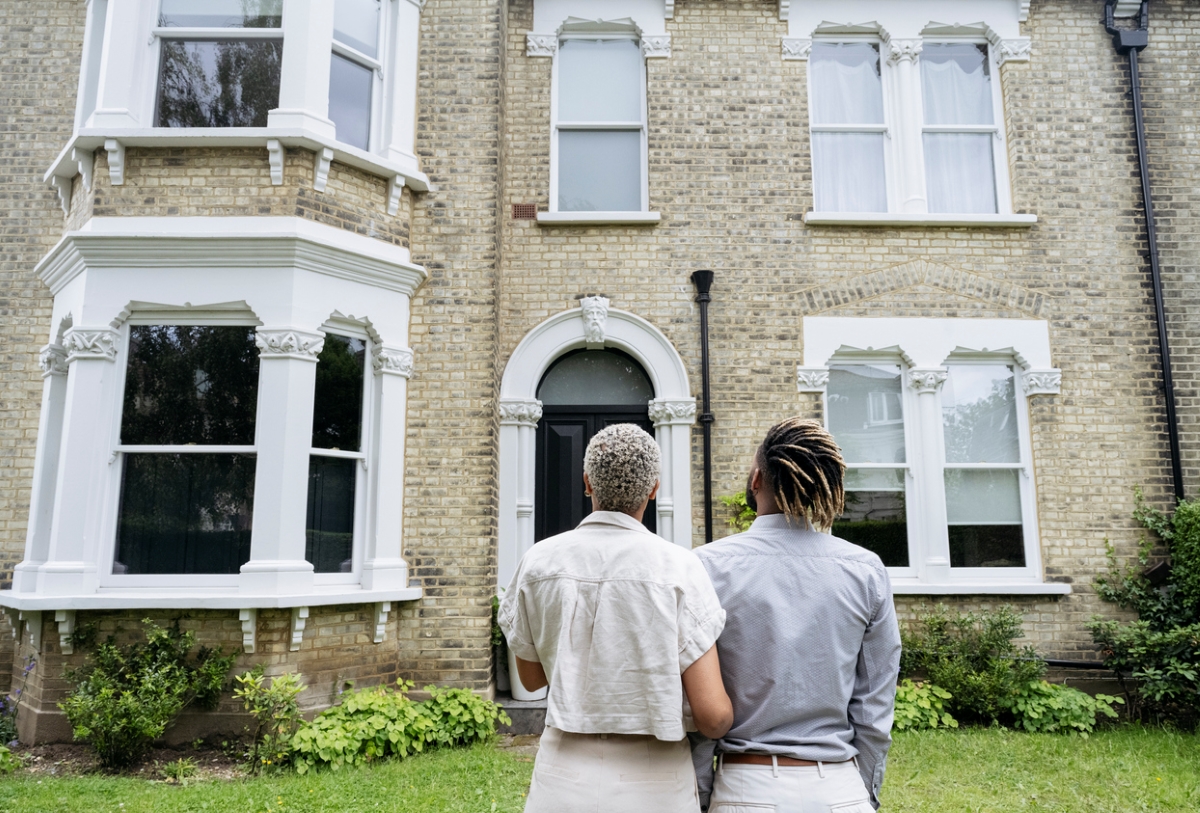
Remodeling an older home presents a unique set of decisions that go far beyond choosing cabinet finishes or picking paint colors. The central question homeowners face is which original elements to preserve, which to restore, and which to replace. Striking the right balance between honoring a home’s architectural heritage and making it functional for modern living requires careful thought. For those beginning this journey, understanding the fundamentals of period-appropriate building materials helps establish a strong foundation for decision-making. While every old house tells a different story, certain features consistently deserve preservation and can add both character and value when handled correctly.
Why the Original Floor Plan Still Matters
One of the biggest mistakes homeowners make when remodeling an older house is gutting the original floor plan in favor of a completely open layout. Older homes were designed with deliberate spatial relationships between rooms. The main entrance typically flows naturally into a parlor or living room, with a practical path to the kitchen and secondary entrances. These circulation patterns were not accidental they reflected how families actually lived and entertained.
Before making structural changes, study how your home’s rooms connect. In many older houses, what appears to be an inefficient layout may actually offer better privacy and room definition than modern open plans. During the 1970s trend of removing walls to create great rooms and country kitchens, many homeowners lost valuable dining rooms and formal sitting areas. Today, those discrete rooms are making a comeback as homeowners rediscover the value of defined spaces for different activities. Understanding how remodeling decisions affect your project budget is especially important when considering wall removals that may require structural reinforcements.
If previous owners already made modifications that compromised the original layout, consider restoring rather than reinventing. Reinstating a wall that was removed decades ago can improve sound separation and create more functional living spaces without sacrificing modern convenience. The goal is to work with the home’s existing rhythm, not fight against it.
Architectural Woodwork and Staircases Worth Restoring
The quality of millwork in houses built before the mid-20th century is difficult and expensive to replicate today. Original staircases with turned balusters, carved newel posts, and detailed handrails are among the most visually impactful elements in any old home. Restoration is almost always preferable to replacement, both financially and aesthetically. Worn stair treads can be replaced individually while preserving the original nosing returns and riser details, and missing balusters can be custom-milled at surprisingly reasonable cost from local woodworkers.
The same philosophy applies to baseboards, window and door casings, crown moldings, and cornices. In late 19th-century homes especially, these elements were designed with multiple layers of applied molding that created dramatic shadow lines and a three-dimensional effect. Even in more modest houses, the woodwork provided visual weight that modern flat trim cannot match. When planning renovation work, incorporating practical remodeling strategies means carefully removing rather than demolishing original trim pieces so they can be reinstalled or used as patterns for matching new work.
Built-in cabinetry, paneling, spindle work, and other decorative wood features should likewise be preserved whenever possible. If your renovation requires adding new windows, doors, or cabinets, study the proportions and profiles of the existing woodwork and replicate those details in the new additions. This creates visual continuity that makes the entire home feel cohesive rather than piecemeal.
Plaster, Windows, and Doors Built to Last
Modern drywall is faster to install and easier to repair than traditional plaster, but it lacks the durability, soundproofing, and tactile character of original plaster walls and ceilings. Three-coat plaster applied over wood lath creates a rigid surface that resists impact damage far better than gypsum board. Specialized techniques exist for stabilizing loose plaster including plaster washers and adhesive injections that can reattach the key to the lath without requiring full replacement. Small cracks and holes can be repaired with patching compound, but larger areas of failing plaster are best handled by an experienced old house contractor who understands traditional materials.
Original windows in pre-war homes were typically made from old-growth timber, which has a tighter grain structure and greater natural rot resistance than the fast-growth wood used in modern window manufacturing. With proper refurbishment — including new glazing compound, weatherstripping, and storm window installation — these windows can outperform many modern replacement units in both longevity and energy efficiency. The same logic applies to doors. Removing an original paneled front door in favor of a steel replacement often results in a loss of architectural integrity that diminishes the entire facade. Repairing budget-friendly approaches to old-house restoration frequently favor repair over replacement for these critical elements, as the cost of quality new replicas is substantial.
| Feature | Restoration Cost Range | Replacement Cost Range | Typical Lifespan Restored | Typical Lifespan New |
|---|---|---|---|---|
| Single-plank pine floor | $3-$6 per sq ft | $8-$15 per sq ft | 75+ years | 30-50 years |
| Double-hung wood window | $150-$400 per unit | $400-$1,200 per unit | 50-80 years | 15-25 years |
| Three-coat plaster wall | $4-$8 per sq ft | $2-$4 per sq ft (drywall) | 100+ years | 30-50 years |
| Staircase restoration | $1,500-$4,000 | $5,000-$15,000 | 100+ years | 40-60 years |
| Paneled interior door | $100-$300 per door | $250-$800 per door | 80+ years | 20-40 years |
When full window replacement is unavoidable due to severe rot or damage, look for historically compatible reproductions that match the original configuration. Switching from multi-light sashes to single-pane replacements dramatically alters the home’s exterior appearance and should be avoided.
Hardware, Flooring, and Decorative Details
Hardware is one of the most commonly replaced elements in any renovation, yet it carries significant historical information about how the house was used and how it evolved. Original mortise locks on main-floor doors versus simple latches in upstairs bedrooms tell a story about how public and private spaces were treated differently. Hinges, door knockers, hooks, and cabinet pulls from different eras may all coexist in the same house, each representing a layer of its history. Before discarding old hardware, examine it for clues about original finishes and configurations. Unpainted wood beneath a removed hinge indicates an original installation, while paint layers can reveal how many times the piece has been refinished.
Flooring provides another historical record. Hand-planed pine boards upstairs combined with machine-planed oak strip flooring downstairs indicate a phased remodeling effort, likely happening several decades apart. The presence of a joint line running across the middle of a room may reveal where a chimney was removed or a wall shifted. When selecting the right project delivery approach for your renovation, factor in the complexity of matching new flooring to old materials or sourcing salvaged replacements that create a seamless transition between rooms.
Old wallpaper discoveries are another bonus of remodeling older homes. If the paper is period-appropriate and in good condition, it can be preserved as a feature. Options include framing a section as wall art, using wainscoting to frame damaged portions, or sourcing reproduction paper in the same pattern. Even a small preserved section adds authentic character that reproduction wallcoverings cannot match.
Special Features Worth the Extra Effort
Some older homes contain unique elements that modern construction rarely includes. Dumbwaiters, for instance, are small freight elevators typically connecting the kitchen to upper floors. While these were originally used for moving food and supplies, they can be repurposed creatively. Securing the dumbwaiter in place and converting it into a display niche, wine storage area, or decorative cabinet preserves the feature while giving it new function. The shaft space above and below can be reclaimed for closets or storage without losing the architectural curiosity.
Original exterior shutters deserve similar consideration. If a home retains even a few authentic shutters, matching replacements should be sourced rather than stripping them all off. Placing the best-preserved shutters on the front elevation where they are most visible presents the home’s most authentic face. The energy performance considerations in historic home renovations also apply to shutters, which can provide functional shading and storm protection when properly maintained.
For homeowners with original wallpaper or decorative paint finishes, consulting a preservation specialist before removal is strongly recommended. Some 19th-century wallpapers were hand-painted or block-printed and represent significant historical and monetary value. Even modest late-Victorian patterns can be worth preserving as a record of the home’s decorative history.
Conclusion: Creating a Cohesive Future for Your Old House
Successful old-house remodeling is not about making the home look new, but about making it work well while honoring what made it special in the first place. The features worth keeping — floor plans, staircases, woodwork, plaster, windows, doors, hardware, flooring, and decorative details — all contribute to a home’s sense of history and craftsmanship that cannot be replicated with new materials alone.
When evaluating any element of an older home, ask three questions: Is it structurally sound? Does it contribute to the home’s character? Can it be adapted to modern needs without losing its integrity? If the answer to all three is yes, preservation is usually the right choice. Adding proper insulation and modern systems behind preserved shells creates homes that are both efficient and authentic. Understanding where and how to insulate around original building fabric helps bridge the gap between preservation and performance. With thoughtful planning, an older home can offer the best of both worlds: modern comfort wrapped in timeless character.